
Advanced Phonics Teacher Training – Level 2 (Ages 7–12)
Learn syllable types, morphology, schwa and advanced decoding to help educators support children aged about 7–12 who still have gaps in reading and spelling. Live online, about 6 hours, with a practical workshop.
Advanced Training for Supporting Older Readers
Level 2 helps educators support children aged approximately 7–12 who still have gaps in decoding, reading and spelling.
Best suited to
- Teachers, tutors and learning support professionals working with children aged about 7–12
- Educators who see children guessing words, spelling by memory or reading slowly
- Phonics teachers who want to go beyond the foundation sounds
- Schools and centres building older-learner support
Recommended background
- You already know the basics of teaching phonics, for example from Level 1 or similar training
- New to phonics? Start with Level 1, or talk to us about your background
What this course is, and is not
- It trains educators in advanced phonics, word structure and decoding practice
- It does not train you to diagnose reading or learning difficulties
- If a child struggles despite good teaching, the next step is assessment by a suitably qualified professional
Advanced Phonics Course Content: 14 Modules
A. Advanced sounds and spelling patterns
Advanced Phonics Sounds
Review of the core sounds, advanced sound patterns, sound-spelling relationships and applying phonics to unfamiliar words.
Digraphs
Two letters, one sound: sh, ch, th, ph. Recognition, pronunciation, reading, spelling and teaching strategies.
Trigraphs
Three letters, one sound, for example igh, tch and dge. Common patterns, word examples, decoding and spelling.
Silent Consonants
Letters that are not pronounced, such as kn, wr and mb, and how to explain them to children.
B. Syllables and word structure
Six Syllable Types
Closed, open, silent-e (VCe), vowel team, r-controlled and consonant-le, with a routine: identify, divide, decode, read, spell.
Morphology
How words are built from prefix + base or root + suffix, for example un + happy and help + ful; meaning and spelling changes; word families.
Prefixes, Roots and Suffixes
Prefixes such as un-, re-, dis- and pre-; suffixes such as -ing, -ed, -er, -ful and -less; using word parts for vocabulary, reading and spelling.
Schwa
The unstressed vowel sound in words like about and teacher: why pronunciation can differ from spelling and how to teach it.
C. Vowel patterns, grammar-linked spelling and teaching practice
Vowel-r
ar, er, ir, or and ur: recognition, pronunciation, decoding, spelling and application.
Long-Vowel Spelling Patterns
Vowel-consonant-e (cap → cape), open and closed syllables, and vowel teams such as ai, ay, ee, ea, oa and ow, taught as patterns rather than lists.
Regular and Irregular Tenses
walk → walked, go → went; the three sounds of -ed; spelling, pronunciation, reading and classroom activities.
Singular and Plural Rules
cat → cats, bus → buses, regular and irregular plurals, spelling changes and pronunciation differences.
Effective Phonics and Decoding Practices
Decoding unfamiliar words with sound → blend → read → check meaning; correcting without giving the answer; moving from teacher support to guided practice to independent decoding.
Practical Teaching Workshop
Teach, get trainer feedback and refine, using the eight activities below.
The Six Syllable Types
| Syllable type | Example | What to notice |
|---|---|---|
| Closed | cat, rabbit | Vowel followed by a consonant; short vowel sound |
| Open | go, me, ti-ger | Syllable ends in a vowel; long vowel sound |
| Silent-e (VCe) | cake, kite, hope | Vowel, consonant, silent e; long vowel sound |
| Vowel team | rain, boat, feet | Two letters together make one vowel sound |
| R-controlled | car, bird, turn | The r changes the vowel sound |
| Consonant-le | table, little | Final syllable: consonant + le |
Teachers learn a routine they can use with any older reader: identify → divide → decode → read → spell.
Teaching Children to Work Out Unfamiliar Words
Decode, do not guess
- Sound → blend → read → check meaning
- Children use the letters, not only pictures or context
Correct with care
- Point children back to the sounds instead of giving the answer
- Keep the child's confidence intact
Build independence
- Teacher support → guided practice → independent decoding
- Plan the next step from what the child can already do
Teachers Do Not Just Learn Phonics; They Learn How to Teach It
| Activity | You practise |
|---|---|
| 1 | Demonstrating a sound lesson |
| 2 | Conducting blending practice |
| 3 | Conducting segmenting practice |
| 4 | Teaching a tricky word |
| 5 | Teaching a syllable pattern |
| 6 | Explaining a spelling rule |
| 7 | Working with a struggling reader |
| 8 | Receiving trainer feedback |
What You Will Be Able to Do, in Addition to Level 1
- Teach advanced phonics patterns: digraphs, trigraphs and silent consonants
- Teach syllable structures and how they affect vowel sounds
- Introduce morphology, prefixes, roots and suffixes
- Explain schwa, vowel-r and long-vowel spelling patterns
- Help children decode unfamiliar words
- Recognise common reading and spelling gaps and plan activities for older readers
- Design more advanced phonics activities
How Level 2 Runs
| Item | Detail |
|---|---|
| Mode | Live online |
| Duration | Approximately 6 hours, with different time slots available |
| Format | Content teaching, live demonstrations, a practical workshop and an online practice test |
| Ages you will be prepared to support | Approximately 7–12 years |
| Trainer | Megha Vyas |
| Certificate | Certificate of Participation |
| Before this | Level 1 – Basic Phonics, if you are new to phonics teaching |
What You Receive, and What the Certificate Means
What you receive
- A Certificate of Participation on completing Level 2
- Course learning guidance and references to recommended phonics books and resources
- Guidance on teaching opportunities: pre-primary schools, activity centres, or starting your own classes
What the certificate is, and is not
- It records that you took part in and completed the training with Jolly Reading
- It is not a Jolly Learning certificate, an accreditation or a government qualification
- Trainer credentials are listed below exactly as documented, with certificates you can view
Jolly Reading is an independent training provider. The Certificate of Participation is Jolly Reading’s own certificate and is not issued by Jolly Learning Ltd. View the trainer’s certificates.
Who You'll Be Trained By
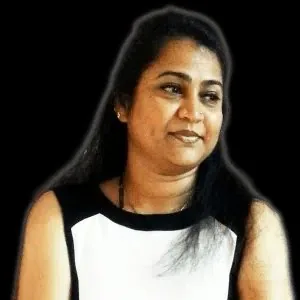
Megha Vyas
Megha Vyas is the founder of Jolly Reading and a passionate literacy educator with over 23 years of experience teaching phonics. She specialises in helping teachers, schools and parents build strong reading foundations through structured phonics instruction.
- Certified in Jolly Phonics & Jolly Grammar through Jolly Phonics CPD College, UK
- Former Air India cabin crew — brings expert pronunciation and phonemic awareness to every session
- Certified Remedial Educator, with hands-on experience supporting children with reading and spelling difficulties
- 2000+ teachers trained across India through structured Jolly Phonics methodology
“To empower learners with the skills, confidence, and proven strategies needed to become successful, lifelong readers.”
Level 2 Teacher Training — FAQs
Who is Level 2 training for? +
Educators teaching or supporting children aged approximately 7 to 12, including those helping struggling readers and children with phonics gaps.
Do I need Level 1 first? +
Level 2 is recommended for educators who already know the basics of teaching phonics, for example from Level 1 or similar training. If you are unsure, contact us with your background.
What will I learn in Level 2? +
Advanced sounds, digraphs, trigraphs, silent consonants, six syllable types, morphology, prefixes, roots and suffixes, schwa, vowel-r, long-vowel patterns, tenses, plurals, decoding practices and a practical workshop, in 14 modules.
Why do some older children struggle with spelling? +
Reasons vary. One common reason is that early phonics was missed or not secure, so the child guesses words or memorises spellings. Level 2 trains you to find and teach those gaps. It does not diagnose causes.
Will Level 2 teach me to diagnose dyslexia or other learning difficulties? +
No. Level 2 is educational training in advanced phonics and decoding practice. If a child continues to struggle, parents and educators should seek assessment from a suitably qualified professional. Read our guide to dyslexia and phonics for signs and how assessment works.
How long is the course and is it live? +
Approximately 6 hours, live online, with different time slots available.
Is there practical teaching? +
Yes. The workshop covers eight activities, from demonstrating a sound lesson to working with a struggling reader and receiving trainer feedback.
What do I receive after completing the course? +
A Certificate of Participation from Jolly Reading. It is not a Jolly Learning certificate. Books are not shipped with the course; recommended titles are shared and can be bought separately online.
What can I do after completing Level 2? +
Graduates can teach advanced phonics in schools or activity centres, take on full or part-time teaching roles, or start their own phonics classes.
What is the difference between Level 1 and Level 2? +
Level 1 covers the foundation for ages about 4–6. Level 2 is advanced training for supporting children aged about 7–12. See the comparison table.
Start Your Level 2 Training
Enquire today to secure your place on the next Level 2 phonics teacher training course.